


By Sophia Carter, Staff Writer

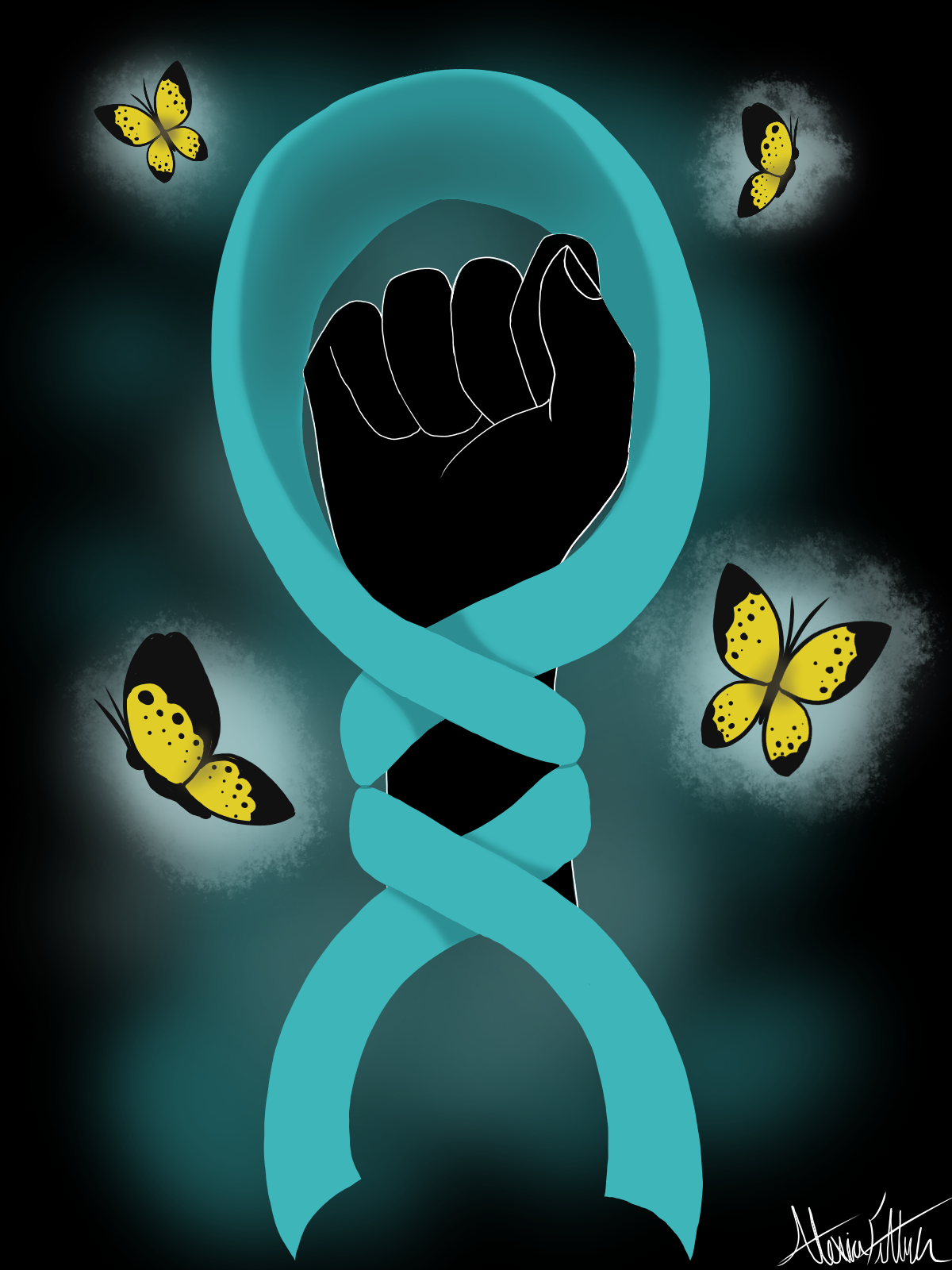
April is Sexual Assault Awareness and Prevention Month. This is not just a highlighted month within the year, but it is a recognition of a movement stemming from as far back as the 40s and even earlier. Efforts can be traced back to so many individuals, especially women of color. Rosa Parks, who many know from refusing her seat to a white man, also worked to advocate for race and gender violence. This was highlighted by Kimberle Crenshaw, who first coined the term “intersectionality.”
The Rape Crisis Center, the first of its kind, was created in 1971 in San Francisco. In the years and decades later, survivors and advocates called for legislation and funding to support survivors; this can be shown by the Violence Against Women Act of 1993. This act, while necessary, showed how many further efforts needed to be made. Change could no longer be asked for, but demanded.
This month wasn’t nationally observed until 2001, but the movement has been ongoing and strong. In an effort for more talks and action surrounding prevention in 2001, the National Sexual Violence Resource Center and Resource Sharing Project, along with other coalitions determined the symbol, color, and month designated for Sexual Assault Awareness and Prevention. The symbol became a teal ribbon.
It is so important to highlight not just this month, but the fact that this is not just a month for so many survivors– it is a lifetime. What should be noted is that anyone, no matter their race, gender, sexuality, or religion, can fall victim to this cruel act. Over half of women, and almost 1 in 3 men, have experienced sexual violence involving physical contact during their lifetimes according to the Center for Disease Control.
This affects millions of people, but the numbers cannot be calculated accurately due to unreported cases. This can be due to many factors such as shame, embarrassment, safety concerns and many other reasons. It is important to understand that survivors need to be given the space to share their stories if they want, but to also keep them private. Not every survivor wants to tell their story, nor should they be forced to. It should be noted that women and racial and ethnic minorities experience a higher level of sexual violence.
Assault can lead to a lot of consequences for survivors, such as pregnancy, transmitted diseases, depression, anxiety and many more lifetime effects. This is a reality so many people suffer through, and this is why this month is so important to talk about. The first step to learning is to have conversations about hard topics. Some possible solutions proposed by the CDC are promoting social norms that protect against violence, creating a protective environment like improving safety measures in workplaces, schools, homes as well as supporting survivors. It is important to not blame a survivor; it is and will never be their fault. Blaming a survivor will only increase the stigma surrounding sexual violence.
With this being said, in awareness of this month, Alfred is hosting an event to honor and support survivors, with the help of the Wellness Center, Judson Leadership Center, Institute for Cultural Unity, and the Alfred University Libraries. This is an opportunity to learn more, ask questions and learn about support systems around campus and within the area. More importantly this is an event to make your voice heard whether you are a survivor, advocate and or supporter if you want change on this campus this is the time to make it.
This event takes place on Thursday, April 18th, from 2:00pm to 6:00pm. It is located at the Powell Campus Center Knight Club, and all are welcome to join.